

Public Liability Insurance in Singapore protects businesses against third-party injury and property damage claims arising from daily operations. It is essential for SMEs and tenants who deal with customers or operate in physical locations. With proper coverage, businesses can meet landlord and contract requirements while reducing financial risk from unexpected incidents.
What is Public Liability Insurance (PLI)?
Public Liability Insurance (PLI) protects your business against legal and compensation claims from third parties who suffer injury or property damage as a result of your business activities.
It applies when your company is held legally responsible for harm caused to people outside your organisation, whether at your premises, at a client’s site, or during business operations and events.
In Singapore, PLI is essential for businesses that deal with the public, operate physical locations, or provide on-site services. It typically covers:
- Medical and compensation costs
- Legal defence expenses
- Court-awarded or settlement damages
For example, if a customer is injured on your premises or your employee damages a client’s property while working on-site, PLI helps cover the resulting financial losses.
Although PLI is not always legally required in Singapore, many landlords, clients, and government contracts require businesses to hold this insurance before operating or starting a project.
What Does Public Liability Insurance Cover?
In Singapore, a standard Public Liability Insurance (PLI) policy provides financial protection against third-party claims arising from your business activities. Coverage generally falls into two key areas: bodily injury and property damage, and legal defence and settlement costs.
Bodily Injury & Property Damage
This coverage applies when third parties (excluding employees) suffer injury or property damage due to your business operations. It typically covers medical expenses, compensation payments, and the repair or replacement of damaged property.
Common examples include customers being injured on your premises or contractors accidentally damaging a client’s property while working on-site.
Legal Defence Costs & Settlements
PLI also covers the legal costs of defending your business against third-party claims, including lawyer fees, court expenses, and settlement or court-awarded damages.
Even if a claim is disputed or unfounded, legal defence can be costly. PLI helps manage these expenses within your policy limits, reducing financial exposure and allowing you to focus on business operations.
What Public Liability Insurance Does NOT Cover

While Public Liability Insurance (PLI) provides broad protection against third-party claims, it is not a catch-all policy. Certain risks are excluded because they are better covered by other types of insurance.
Employee Injuries (Covered by WICA)
The most significant exclusion under a PLI policy is injury or illness suffered by your own employees. In Singapore, such claims are governed by the Work Injury Compensation Act (WICA), which is mandatory for most employers.
- Why it is excluded: PLI is designed to protect against third-party (non-employee) claims only.
- Coverage gap: If an employee is injured at work, your PLI policy will not respond. You must hold a separate WICA policy to cover medical expenses and compensation.
Most standard PLI policies also exclude:
- Professional Errors or Negligence: Financial losses caused by incorrect advice or professional mistakes (requires Professional Indemnity Insurance).
- Property Under Your Care, Custody, or Control: Damage to items you are repairing, servicing, or storing for a client.
- Intentional Acts: Injury or damage caused deliberately by your business or employees.
Who Needs Public Liability Insurance the Most?

While any business that interacts with the public faces liability risks, certain industries in Singapore have higher exposure due to strict regulations, high foot traffic, and on-site operations.
Retail Shops & Showrooms (High Footfall)
Retailers are particularly exposed to slip-and-fall incidents. In Singapore’s busy malls, even minor hazards can result in legal claims.
Common risk scenarios include:
- Customers slipping on wet or uneven floors
- Injuries caused by unstable or collapsing display racks
- Damage to customers’ personal belongings (e.g. spilling coffee on a designer bag)
Landlord requirement:
Most commercial landlords (such as CapitaLand and Mapletree) require tenants to maintain a minimum level of PLI coverage before handing over the premises.
Renovation Contractors & Handymen (On-site Risks)
Contractors working at client premises are responsible for accidental property damage and third-party injuries arising from their work.
Key risks include:
- Damage to fire sprinkler systems causing flooding
- Tools or materials falling from height and injuring passers-by
Contractual necessity:
Management corporations (MCST) commonly deny site access to contractors who cannot provide a valid Certificate of Insurance (COI).
Food & Beverage (F&B) Businesses
In addition to physical accidents, F&B operators face health-related liability risks.
Food poisoning coverage:Often required to meet Singapore Food Agency (SFA) licensing conditions, this extension covers claims from customers who fall ill after consuming contaminated food.
Common claims include:
- Severe allergic reactions due to undeclared ingredients
- Burns or injuries caused by hot food and beverage spills
Real-Life Claim Examples – Why This Insurance Matters
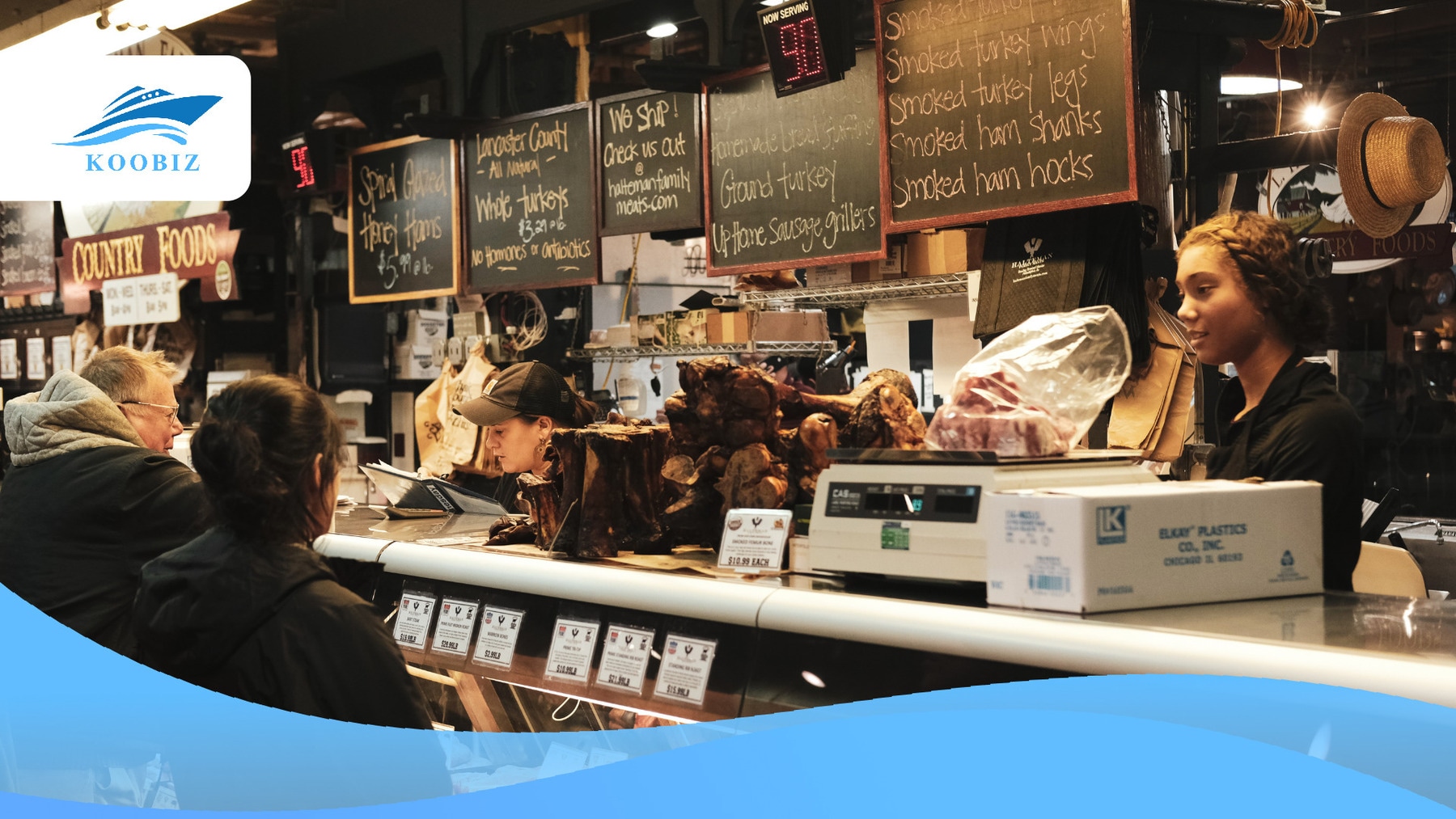
Real-life incidents show how quickly unexpected accidents can turn into costly legal claims. For many SMEs in Singapore, a single liability claim can be financially damaging without proper insurance protection.
Retail Shop Slip-and-Fall
A customer slipped on a wet floor in a retail store after a spill was not cleaned up promptly. The customer suffered a back injury and filed a claim for medical expenses and loss of income. Public Liability Insurance covered the legal defence costs and compensation payout, preventing the business owner from paying out of pocket.
Contractor Damaging Client Property
A renovation contractor accidentally drilled into a concealed water pipe, causing flooding and damage to a client’s flooring and furniture. The client claimed for repair costs and business interruption losses. The contractor’s Public Liability Insurance paid for the property damage and settlement costs.
Food Poisoning Incident at an F&B OutletSeveral customers reported food poisoning after dining at a small restaurant. They demanded compensation for medical treatment and emotional distress. The restaurant’s Public Liability Insurance helped cover the legal expenses and compensation claims, allowing the business to continue operating without severe financial strain.
These examples highlight that accidents can happen even in well-managed businesses. Public Liability Insurance acts as a financial safety net, protecting business owners from sudden and potentially overwhelming liability claims.
How Much Does Public Liability Insurance Cost in Singapore?
The cost of Public Liability Insurance (PLI) in Singapore is not fixed. Instead, it is calculated based on your business risk profile, industry type, annual turnover, and the specific scope of activities insured.
As a general estimate:
- Low-risk businesses (small offices, consultancies, home-based businesses): S$150 – S$300 per year
- Medium-risk businesses (retail shops, small service providers): S$300 – S$600 per year
- Higher-risk businesses (F&B outlets, renovation contractors): S$600 – S$1,500+ per year, depending on coverage limits and risk exposure
Note: These figures are indicative and subject to the insurer’s underwriting criteria, chosen limits, and prevailing GST.
Factors: Limit of Indemnity ($500k vs $1M)
The most significant factor affecting your premium is the Limit of Indemnity the maximum amount the insurer will pay for a single claim or within the policy period. In Singapore, the choice usually comes down to two standard tiers:
- S$500,000 Limit: This is typically the entry-level coverage. It comes with a more affordable premium and is often sufficient for home-based businesses or small offices with minimal public visitors.
- S$1,000,000 Limit: This is widely considered the “Gold Standard.” Most major landlords (such as CapitaLand or Mapletree), property managers, and government bodies through GeBIZ tenders mandate a minimum of S$1 million in coverage before a contract can be signed.
For businesses in high-risk sectors like F&B or renovation, opting for a higher limit is crucial. A single serious injury or major fire could easily exceed a lower cap, leaving your business to pay the difference out-of-pocket. When choosing your policy, it is vital to prioritize a limit that meets your contractual obligations and realistic risk exposure over simply picking the cheapest premium.
Public Liability Insurance vs Other Business Insurance
Public Liability Insurance is frequently confused with other business covers. However, each serves a distinct purpose. In Singapore, a “one-size-fits-all” approach often leaves businesses exposed to costly gaps.
Below is a comparison to help you identify the right combination for your business:
| Type of Insurance | What It Covers | Who It Protects | Is It Mandatory in Singapore? |
|---|---|---|---|
| Public Liability (PLI) | Third-party bodily injury & property damage from business operations. | Customers, visitors, and the general public. | Contractual. Required by most landlords and clients. |
| Professional Indemnity (PI) | Financial loss arising from errors, omissions, or negligent advice. | Clients receiving your professional services. | Professional Requirement. Mandatory for lawyers, auditors, and doctors. |
| Work Injury Compensation (WICA) | Medical expenses and loss of wages for work-related injuries/illness. | Your employees (Local & Foreign). | Legal Mandate. Compulsory for most employees under MOM law. |
How They Work Together (Examples):
- PLI: A client slips in your office and sues for medical bills.
- PI: You provide a tax consulting report with an error that costs your client S$50,000 in fines.
- WICA: Your office manager develops carpal tunnel syndrome or trips over a cable while working.
Most Singapore SMEs opt for an “SME Package” which bundles PLI and WICA together. However, if your business involves advisory or specialized services (IT, Design, Consulting), adding a PI policy is essential to protect your professional reputation.
How to Choose the Right Public Liability Insurance Policy

Choosing the right Public Liability Insurance policy is about matching coverage to your business risks and operational needs in Singapore not simply selecting the cheapest option.
- Assess your public exposure: Businesses with high customer traffic, on-site work, or physical products face higher risks and usually need higher limits of indemnity.
- Check contractual and regulatory requirements: Many landlords, property managers, and government projects require a minimum coverage level (commonly S$1 million) before operations can begin.
- Review the scope of insured activities: Ensure all your business activities are properly declared and covered, especially if you provide multiple services.
- Evaluate claims handling and legal support: Look for clear claims procedures, reliable legal defence, and prompt handling of third-party claims.
By selecting coverage based on risk exposure, required limits, and business needs rather than price alone, you secure meaningful protection instead of basic compliance.
Common Mistakes Businesses Make with Public Liability Insurance
Many SMEs in Singapore buy Public Liability Insurance for compliance, not protection only to discover coverage gaps when claims are rejected. The most common mistakes include:
- Low indemnity limits: Choosing S$500,000 to save costs may be risky. A serious accident or disability claim can easily exceed this amount, leaving the business to pay the difference.
- Incorrect business descriptions: If your policy states “general retail” but the incident happens during an undeclared activity (e.g. outdoor events), the insurer may deny the claim.
- Confusing PLI with WICA: PLI covers the public, not employees. Staff injuries must be insured under WICA. Using PLI instead breaches MOM regulations and exposes your business financially.
- Ignoring excess and deductibles: A low premium with a high excess means frequent small claims will still come out of your own pocket.
- Late claim reporting: Insurers require immediate notification of any incident that may lead to a claim. Delayed reporting can invalidate coverage.
Koobiz Will Help You Find the Right Public Liability Insurance
Koobiz helps Singapore businesses choose the right Public Liability Insurance based on their industry, risk exposure, and contractual requirements. Instead of one-size-fits-all policies, Koobiz recommends coverage that reflects your actual business activities.
With Koobiz, you can:
- Choose an appropriate limit of indemnity
- Ensure all business activities are properly covered
- Comply with landlord and contract insurance requirements
- Avoid coverage gaps that could lead to claim rejection
Koobiz simplifies the process, helping SMEs secure reliable protection without unnecessary complexity.