

The Ministry of Manpower (MOM) has presented a clear framework to help businesses and workers adapt to economic shifts. Announced on 3 March 2026, these measures provide foreign entrepreneurs and SMEs with greater predictability around labour policies, talent strategies, and skills investment.
Understanding these updates is a critical step when planning a business setup in Singapore or scaling local operations. The new policies are structured around three core pillars.
Pillar 1: Empowering Local Talent and Senior Workers

The first pillar focuses on supporting Singaporeans across all career stages, from fresh graduates to senior workers. To build confidence in emerging technologies, eligible learners completing selected SkillsFuture courses will receive six months of free access to premium AI tools by the second half of 2026.
Additionally, a new statutory board—Workforce and Skills Singapore—will merge existing agencies to deliver seamless career guidance and training.
Key changes for employers managing older workers include:
- Retirement Age Increase: Rising to 64 (retirement) and 69 (re-employment) from 1 July 2026.
- Senior Employment Credit: Extended until December 2027, offering up to 7% wage support for workers aged 69 and above.
- CPF Contribution Hikes: Employer rates for workers aged 55–60 and 60–65 will rise by 1.5 and 1 percentage point respectively from 2027. This is supported by a one-year extension of the CPF Transition Offset (covering 50% of the increase).
Pillar 2: Driving Business Transformation and Global Talent

The second pillar focuses on equipping businesses for the future while remaining open to top-tier global professionals. For SMEs managing work pass applications, structured visa support will be essential to navigate the following regulatory changes:
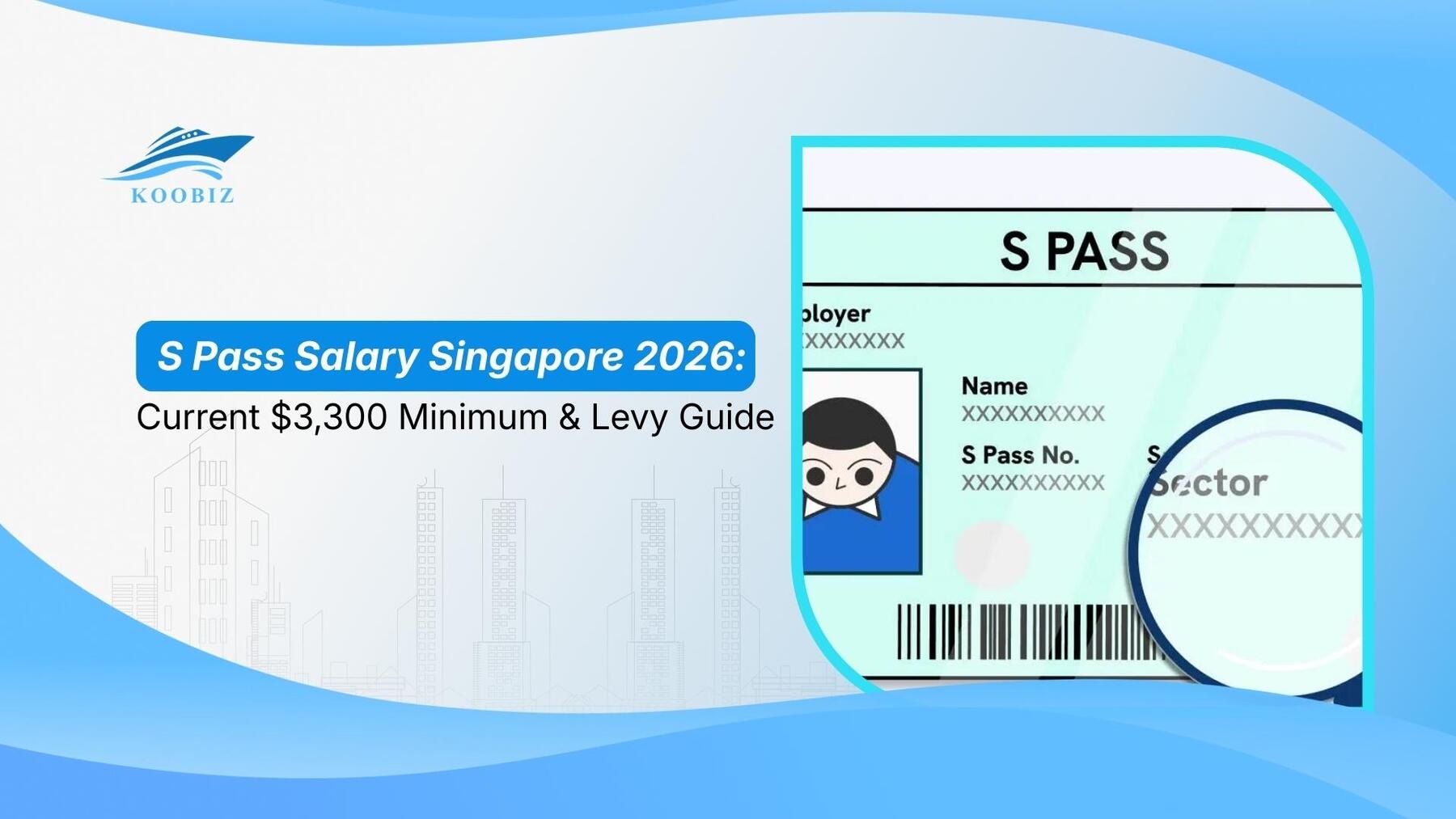
- Higher Work Pass Salaries: Minimum qualifying salaries will increase to S$6,000 for Employment Pass (EP) and S$3,600 for S Pass for new applications starting 1 January 2027 (and renewals from 1 January 2028).
- New Tech Visa: A new ONE Pass (AI and Tech) track will replace the existing Tech.Pass from January 2027 to attract elite global talent.
- Expanded NTS List: The Non-Traditional Source (NTS) Occupation List will add eight new roles in social services, food services, and air transport by September 2026.
- Streamlined Levies: The levy framework will combine the bottom two tiers in the Manufacturing and Services sectors. R2 work permit levies in Marine and Process sectors will rise gradually from 2028.
- Transformation Grants: The SkillsFuture Workforce Development Grant (Job Redesign+) launches in March 2026, covering up to 70% of project costs (capped at S$150,000) for reskilling and AI adoption.
Pillar 3: Fostering Inclusive Career Pathways
The final pillar emphasises fair and inclusive career progression across all wage levels.
- Local Qualifying Salary (LQS): The baseline salary will rise to S$1,800 from 1 July 2026.
- Progressive Wage Credit Scheme: Extended to 2028 with 30% co-funding. The qualifying wage increase threshold will also be raised by S$200 from 2027 to help employers offset wage costs.
- Workfare Skills Support: Allowances for both long-form and short courses will be enhanced.
Maintaining Compliance and Seamless Corporate Services
These coordinated policies create a supportive environment for businesses by balancing workforce development with operational flexibility. However, adapting to new CPF rates, levy calculations, and work pass thresholds requires precise HR and payroll management.
As Singapore continues to evolve its employment landscape, staying aligned with these updates allows businesses to build resilient operations. Entrepreneurs exploring Singapore company formation can benefit immensely from expert guidance to integrate these policies seamlessly.
Contact the Koobiz team for professional support with company formation, corporate secretary services, accounting solutions, and visa assistance to navigate these 2026 manpower developments with confidence.