

In the rapidly evolving business landscape of 2026, Singapore remains a global gold standard for commercial legal frameworks. For business owners and investors, a solid grasp of Contract Law in Singapore is not just about compliance – it is a strategic asset that ensures certainty, manages risk, and protects long-term interests. Whether you are a tech startup, a growing SME, or an international corporation, this guide provides the most up-to-date insights into how contracts work in the Lion City.
What Is Contract Law in Singapore?
At its core, Contract Law in Singapore is the body of rules governing agreements between parties. Rooted in English Common Law, Singapore’s system has evolved into a modern, transparent, and highly predictable framework.
Unlike some jurisdictions where bureaucracy can be stifling, Singapore Law emphasizes commercial certainty. It is designed to ensure that if you make a valid promise in a business context, the law will hold you to it or provide a remedy if the promise is broken.
In 2026, this framework was further integrated with digital economy standards (such as the EU-Singapore Digital Trade Agreement), ensuring that even the most complex cross-border digital transactions are governed by clear, enforceable principles. For businesses, understanding this law means knowing that your “handshake” (whether physical or digital) is backed by a world-class judicial system, including the Singapore International Commercial Court (SICC).
Key Elements of a Valid Contract under Singapore Law 2026
For a contract to be legally binding and enforceable in Singapore, four legal elements must be present: offer, acceptance, consideration, and intention to create legal relations. In 2026, these elements form the legal foundation of every business contract, whether executed via traditional paper, email, or blockchain-based smart contracts.
Offer
An offer is a definite proposal to enter into a contract on specific terms, made with the intention that it will become legally binding upon acceptance.
Core legal rules:
The offer must be sufficiently clear and complete. Under Singapore law, advertisements, catalogues, and website price lists are generally treated as invitations to treat rather than binding offers. An offer may be withdrawn before acceptance, lapse after a reasonable time, or be terminated by a counter-offer.
Business risk:
If commercial communications such as quotations or proposals are not clearly labelled as non-binding, a business may unintentionally create a binding offer that can be accepted at any time.
Acceptance
Acceptance is an unconditional and final agreement to the exact terms of the offer.
Core legal rules:
Singapore applies the Mirror Image Rule, meaning that acceptance must correspond precisely with the offer. Any variation constitutes a counter-offer, which terminates the original offer. As a general rule, acceptance only takes effect when it is communicated to the offeror. Electronic and digital forms of acceptance are recognised under Singapore law.
Business risk:
Responses that introduce conditions or modifications may prevent a contract from being formed, even where the parties believe they have reached agreement.
Consideration
Consideration refers to the value exchanged between the parties in return for their contractual promises.
Core legal rules:
The law requires consideration to be legally sufficient but not commercially adequate. Courts will not normally assess whether the exchange represents a fair market price. Acts performed before a promise is made (past consideration) are generally not valid consideration for that promise.
Business risk:
Promises made out of goodwill, without any exchange of value, may be unenforceable. Businesses should ensure that every contractual obligation is supported by clearly defined consideration, even if only a nominal amount.
Intention to Create Legal Relations
This element concerns whether the parties intended their agreement to have legal consequences.
Core legal rules:
In commercial transactions, Singapore courts strongly presume that parties intend to create legal relations. This presumption can be rebutted by clear wording, such as the use of “subject to contract” during negotiations.
Business risk:
Without careful drafting, parties may become legally bound at a preliminary stage, or conversely fail to create a binding contract when they intended to do so.
How Contracts Are Formed in Practice

In Singapore’s modern business environment, contracts may be formed through several practical channels:
- Written contracts – The most common and reliable form of agreement, providing clear evidence of the agreed terms and easier enforceability in court.
- Oral agreements – “Handshake deals” may be legally binding, but they are often difficult to prove without written records, which can lead to disputes over what was said or promised.
- Contracts formed by conduct – A contract may be inferred from the parties’ behaviour, such as where services are regularly provided and payments are consistently made without a formal written agreement.
- Electronic and automated contracts – Contracts may be concluded through digital platforms or automated systems when a predefined digital action triggers acceptance of the contractual terms.
Common Types of Contracts Used in Singapore
Understanding the main types of contracts commonly used in Singapore is essential for operating effectively in the local business environment. Each type of agreement serves a specific legal and commercial function in allocating risk, protecting assets, and regulating professional relationships.
Non-Disclosure Agreements (NDAs) & Founders’ Agreements
Non-Disclosure Agreements (NDAs) are used to protect confidential and proprietary information shared during business discussions, negotiations, or collaborations.
- Define what constitutes confidential information and the obligations of the receiving party.
- Regulate the permitted and prohibited uses of such information.
- Commonly include provisions on data protection, cybersecurity, and information processed through digital or automated systems.
Founders’ Agreements regulate the legal and commercial relationship between business founders at the early stages of a company’s formation.
- Govern equity ownership, vesting arrangements, and management roles.
- Allocate decision-making authority and provide mechanisms for resolving deadlocks.
- Help prevent internal disputes from disrupting business stability and continuity.
Employment Contracts
Employment Contracts establish the legal relationship between employers and employees and must comply with applicable employment legislation.
- Regulate remuneration, employee benefits, and working hours.
- Set out workplace obligations, termination procedures, and notice periods.
- Increasingly address flexible or remote working arrangements and restraint of trade (non-compete) clauses, which must be carefully drafted to remain legally enforceable.
Service & Vendor Agreements
Service and Vendor Agreements govern the provision of services or the supply of goods between commercial parties.
- Define the scope of work, contractual deliverables, and performance standards.
- Specify service levels, delivery timelines, and milestones.
- Allocate commercial risk through liability limitation clauses and indemnity provisions in the event of service failures or contractual breaches.
Shareholders’ Agreements
Shareholders’ Agreements provide contractual protection beyond what is contained in a company’s Constitution.
- Regulate management control, voting rights, and restrictions on the transfer of shares.
- Provide mechanisms for protecting minority shareholders.
- Support investor relations and long-term business strategies, including fundraising, acquisitions, and public listings.
When is a Contract Considered Void or Unenforceable?

Even if a contract is signed, it may be invalid if its legal foundation is defective. Under Singapore law, such defects are known as vitiating factors. They may render a contract void (no legal effect from the outset) or voidable (capable of being rescinded by the innocent party). Common situations include:
Misrepresentation
A contract may be set aside if a party was induced to enter into it by a false statement of fact. This includes fraudulent, negligent, and innocent misrepresentation.Example: A supplier states that its software is certified for financial institutions when it is not, and the buyer signs based on that claim.
Economic Duress
Where one party applies illegitimate commercial pressure, leaving the other with no real alternative but to agree, the contract or variation may be invalid.Example: A contractor threatens to stop work midway through a project unless the client agrees to pay a higher price.
Mistake
Only fundamental mistakes affecting the substance of the agreement may invalidate a contract.Example: An online system lists industrial machinery at S$1 instead of S$100,000 due to a system error, and the buyer knows it is clearly a mistake but proceeds to order.
Unconscionability
A contract may be unenforceable if it is extremely one-sided and results from the exploitation of a serious imbalance of bargaining power.Example: A large corporation imposes complex and harsh penalty clauses on a small startup that has no legal advice and no real ability to negotiate.
Illegality and Public Policy
Contracts involving unlawful conduct or unreasonable restraints on trade will not be enforced.Example: A non-compete clause prevents a former employee from working in the same industry anywhere in the world for 10 years.
Breach of Contract and Legal Remedies under Singapore Law
When a party does not perform its contractual obligations, a breach of contract occurs. Singapore law focuses on restoring the innocent party to the position it would have been in if the contract had been properly performed.
- Damages (Financial Compensation)The primary remedy is monetary compensation for actual loss suffered. Many commercial contracts include liquidated damages clauses, which pre-determine the amount payable for specific breaches such as delay.Example: A supply contract may require payment of S$5,000 for each week of late delivery.
- Specific PerformanceWhere money is insufficient and the subject matter is unique, the court may order the breaching party to carry out its obligations as agreed.Example: A seller who refuses to transfer a unique parcel of land may be compelled by court order to complete the transfer.
- InjunctionsCourts may issue injunctions to prevent ongoing or threatened harm, particularly in cases involving confidential information or trade secrets.Example: A former business partner may be restrained from using the company’s client database after leaving the firm.
How Are Contract Disputes Resolved in Singapore? (Litigation, Arbitration, Mediation)
Singapore is widely recognised as a leading centre for commercial dispute resolution. Businesses may choose between three principal mechanisms depending on the nature of the dispute, the contractual arrangements between the parties, and their commercial objectives.
| Feature | Litigation | Arbitration | Mediation |
|---|---|---|---|
| Time | No fixed timeframe; varies by case complexity | ~13.8 months on average | Usually resolved within 8 weeks |
| Cost | Court filing fees + legal fees | Institutional arbitration fees | Mediation service fees |
| Confidentiality | Public proceedings | Private and confidential | Private and confidential |
Litigation
Litigation involves resolving disputes through the Singapore Courts. For complex international commercial disputes, the Singapore International Commercial Court provides a specialised forum with both local and international judges. This mechanism results in a final and legally binding court judgment and is most suitable where authoritative legal interpretation or public precedent is required. Singapore courts have implemented electronic filing and digital case management systems to streamline procedural administration.
Arbitration
Arbitration is commonly selected for international and high-value commercial contracts and is frequently administered by the Singapore International Arbitration Centre. Disputes are determined by independent arbitrators rather than judges, and proceedings are conducted on a private and confidential basis. A key advantage of arbitration is that arbitral awards are enforceable in more than 160 countries under the New York Convention, making this mechanism particularly appropriate for cross-border transactions.
Mediation
Mediation involves negotiated settlement with the assistance of a neutral mediator, typically facilitated by the Singapore International Mediation Centre. This process is generally faster and more cost-effective than litigation or arbitration and allows parties to adopt flexible commercial solutions beyond monetary compensation, such as revising contractual terms. Mediation is especially suitable where the parties wish to preserve long-term business relationships.
Why Standard Templates Are Risky & When to Seek Professional Help
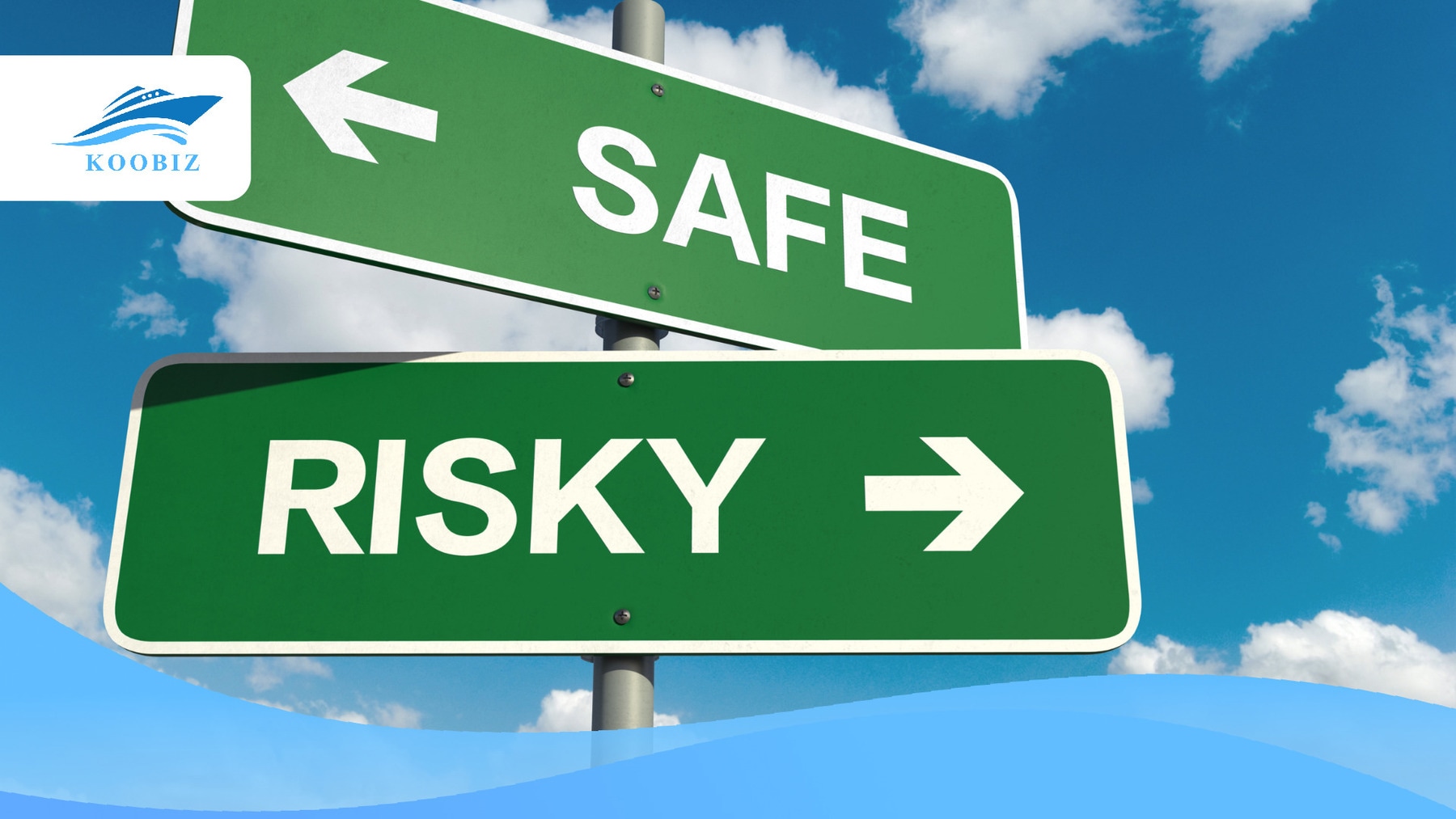
In 2026, many businesses rely on AI-generated or publicly available contract templates. While convenient, this approach creates significant legal risk under Singapore law.
Standard templates are problematic because:
- Jurisdiction mismatch: Most online templates are drafted for foreign legal systems and may not comply with Singapore-specific legislation, such as the Contracts (Rights of Third Parties) Act.
- Lack of commercial fit: Templates cannot reflect a company’s unique risks relating to intellectual property, staged payments, or regulatory obligations.
- False security: A poorly drafted contract may appear protective but fail at enforcement, exposing the business when a dispute arises.
For transactions involving high value, regulatory exposure, or long-term commitments, professional legal review is often necessary to ensure enforceability and risk control.
How Koobiz Supports Businesses with Contract Law Matters
Effective contract management is essential for operating safely under Singapore law. Koobiz provides practical contract support tailored to commercial needs.
Koobiz assists businesses through:
- Custom contract drafting based on the client’s industry, transaction structure, and risk profile.
- Contract review and audits to identify weaknesses and ensure alignment with current legal standards.
- Strategic legal support during negotiations and dispute resolution to protect commercial interests.
Protect your business today. Contact Koobiz to ensure your legal foundations are as strong as your business vision.